
From a forest site to the heart of Finnish aviation.
Halli’s story is one of flying, building and expertise. Aircraft factories created an industrial community whose legacy continues in today’s businesses and future mobility technology park.
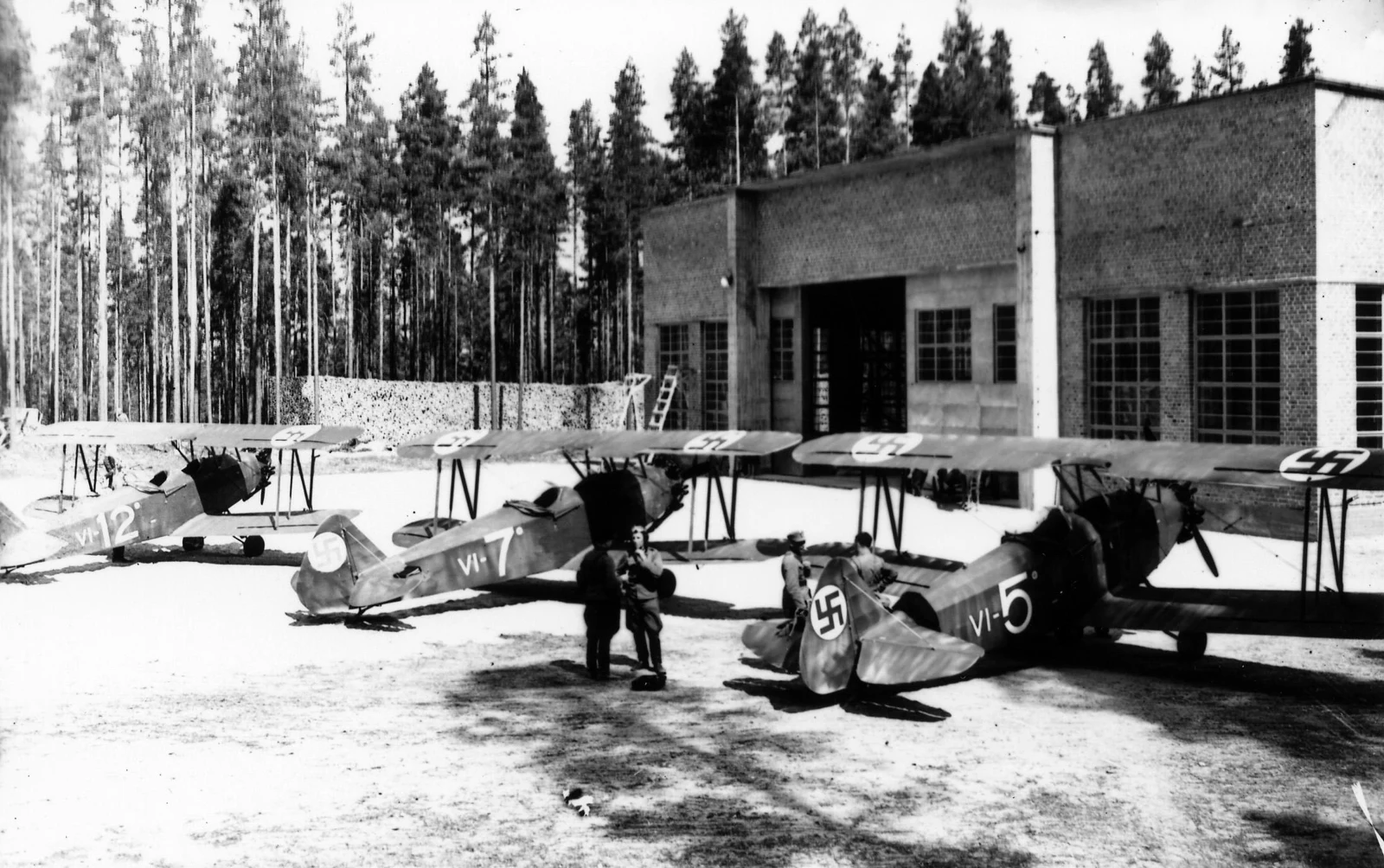
Photographer unknown. Museo24 / Wikimedia Commons ↗ · Public domain in Finland according to the source record. Resized.

Finding a site and building Halli
The Karhumäki brothers surveyed potential sites in 1938. Hallinkangas offered level ground and nearby water. Construction began in 1939, and both the Karhumäki factory and the State Aircraft Factory began operating in Halli the following year. [1]
Factories create a community
During the war years, aircraft were maintained and repaired in Halli. Housing and utilities grew alongside the factories. The Karhumäki brothers also helped establish electricity and water services: aviation shaped an entire community. [1]
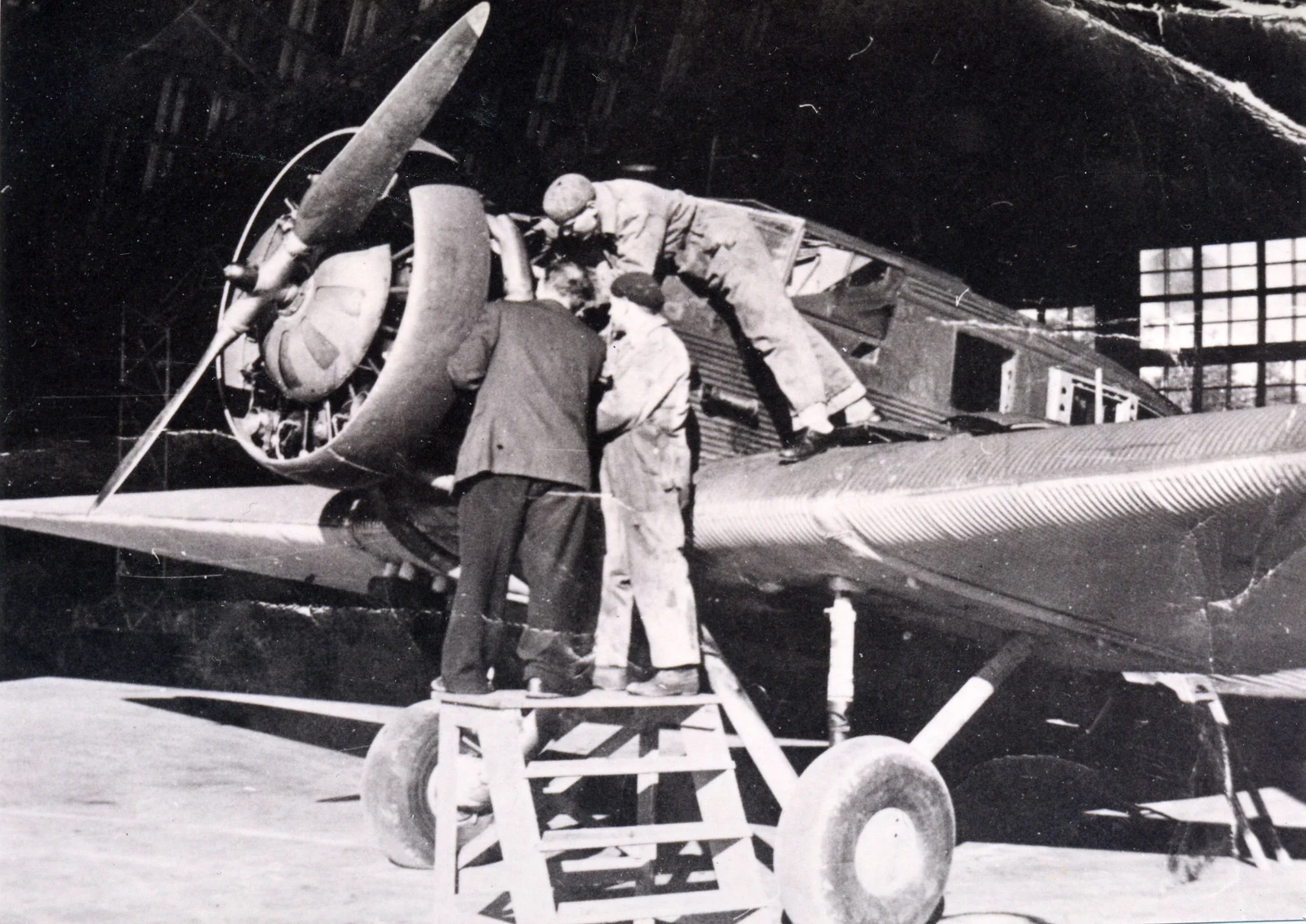
Photographer unknown. Museo24 / Wikimedia Commons ↗ · Public domain in Finland according to the source record. Resized.

From trainers to Hornets
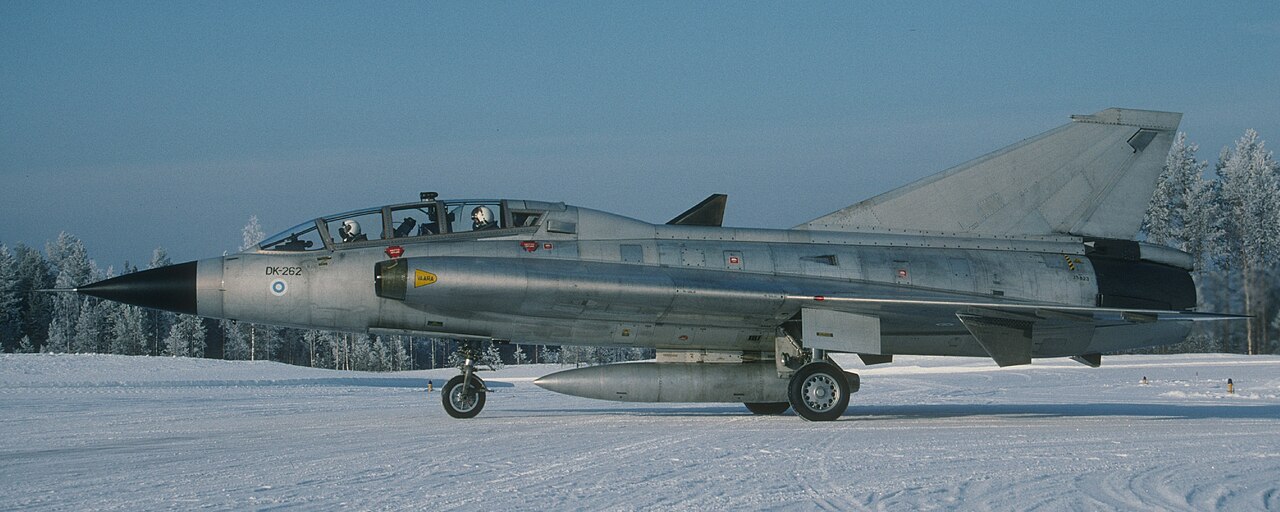
Halli’s expertise expanded through Hawk jet trainers and Vinka and Redigo training aircraft. Hornet assembly continued the chain of demanding aircraft production in the 1990s. Patria was formed in 1997 by bringing together Finnish defence industry operations. [3]

Lifecycle expertise and helicopters
NH90 helicopter assembly began in 2003. Alongside assembly, maintenance, repair and fleet development sustained the area’s deep aviation engineering expertise. [3]
A new industrial generation
The F-35 programme brings new production to Halli: Patria reports that forward fuselage production began in March 2026. The local business landscape also connects aviation, composites and sensing technology. [4]
The next chapter is built together.
The TULE project develops Halli as a future mobility and aviation technology park. UAS testing, business collaboration and new technologies continue its renewal. The historical continuity lies in combining practical work with the development of new expertise. [5]
Discover the heritage in person.
The former Karhumäki office building, Wanha Konttori, presents the company and factory community’s history. The building was made available for museum use in 2003. Check the museum’s own channels for current visiting arrangements. [2]
Sources and photographs
- Patria: Hallin taajama rakentui talvisodan pauhussa (2020) ↗
- Veljekset Karhumäki: Historia ↗
- Patria: 100-year-old Finland (2017) ↗
- Patria: F-35-ohjelma (2026) ↗
- Jämsä: TULE-hanke ↗
Compiled 23 October 2026. The timeline highlights selected milestones. Archive dates and reuse statements follow the Commons records; photographer and licence information appears in each caption.